
Completing cancer treatment can bring a sense of relief, but recovery often continues long after the final appointment. Your body may still be rebuilding strength, adjusting to changes caused by treatment, and learning what its new normal feels like.
Nutrition can play an important role during this stage of recovery.
There is no single “perfect” diet after cancer treatment. What matters most is developing an eating pattern that supports your energy, nourishment, strength, and overall wellbeing in a way that works for your individual needs.
Your Body May Need Time to Recover
Cancer treatment can affect the body in many different ways. Surgery, chemotherapy, radiation therapy, hormone therapy, immunotherapy, and other treatments can influence appetite, digestion, muscle mass, energy levels, taste, and weight.
Some people leave treatment wanting to regain lost weight and strength. Others may have gained weight during treatment or may need to adjust their eating habits because of medication or changes in activity.
Recovery therefore looks different for everyone. Instead of putting pressure on yourself to immediately follow a strict diet, start by asking a simpler question:
What does my body need to feel nourished and supported today?
Build Meals Around Balance
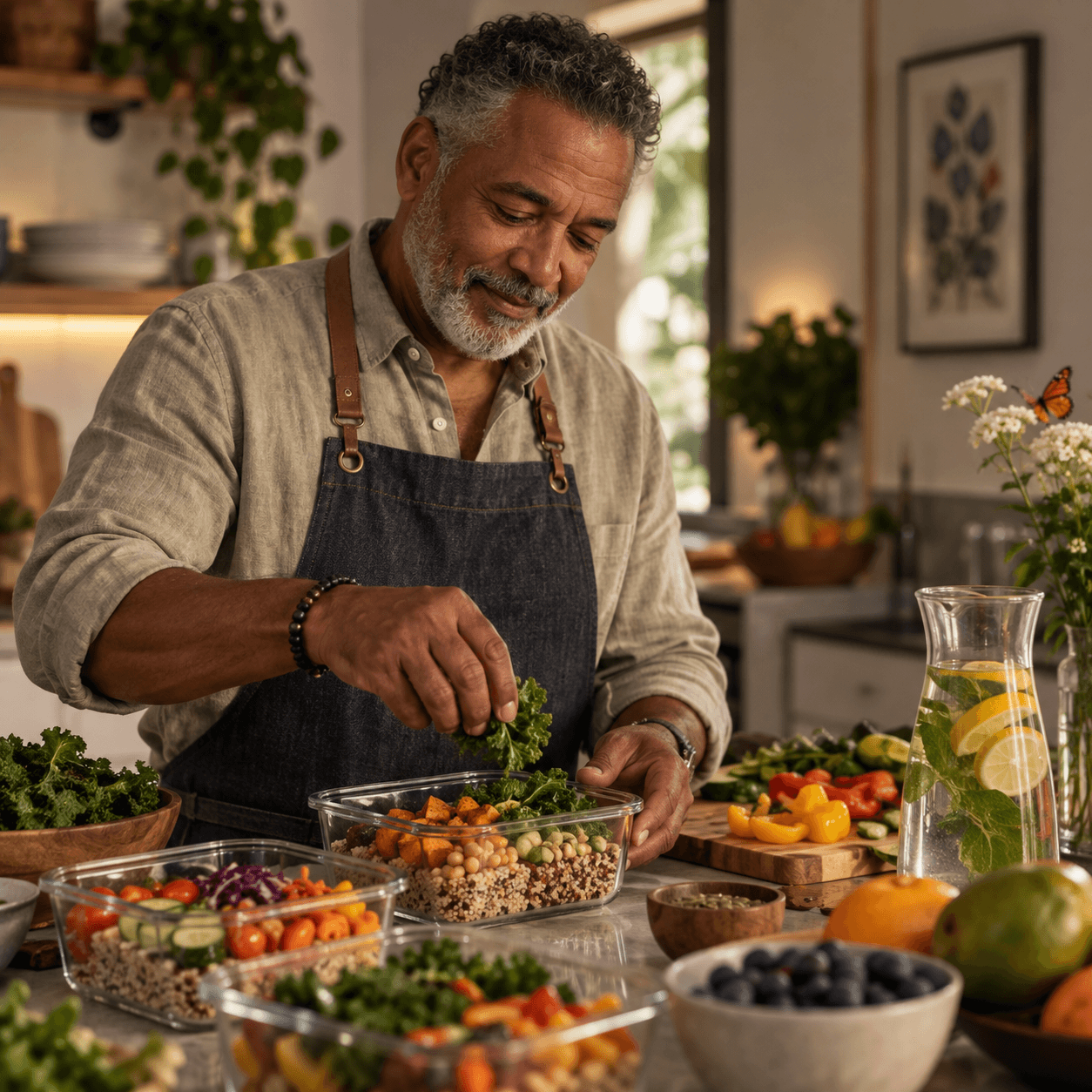
A balanced meal generally includes several types of foods that work together to provide energy and nutrients. A simple approach is to include:
- A source of protein
- Vegetables and/or fruit
- Whole grains or another source of carbohydrates
- Healthy fats
- Water or another appropriate source of hydration
For example, a meal might include grilled fish, brown rice, vegetables, and avocado. Another could be lentil soup with whole-grain bread and a side salad. Meals do not have to be complicated to be nutritious.
Protein Can Support Recovery
Protein helps the body maintain and rebuild tissues and muscle. This may be particularly important if you experienced weight or muscle loss during treatment. Protein-rich foods include:
- Fish
- Poultry
- Eggs
- Beans
- Lentils
- Chickpeas
- Yogurt
- Milk
- Tofu
- Nuts and seeds
If eating large meals is difficult, try including smaller amounts of protein throughout the day. For example, yogurt with breakfast, beans at lunch, nuts as a snack, and fish or chicken at dinner can help spread your intake across several meals.
Include Plenty of Plant Foods
Vegetables, fruits, beans, lentils, whole grains, nuts, and seeds provide vitamins, minerals, fiber, and other nutrients that contribute to overall health.
Rather than searching for one particular “superfood,” aim for variety. Different colors often represent different nutrients, so adding a range of colorful foods can be a simple way to diversify your meals.
Think leafy greens, tomatoes, carrots, berries, citrus fruits, pumpkin, beans, whole grains, and other foods you enjoy and tolerate well.
Do Not Forget Hydration
Staying hydrated is another important part of recovery. Water is usually the simplest choice, but soups, herbal teas, milk, and certain foods such as fruits and vegetables can also contribute to fluid intake. If you struggle to drink enough water, try:
- Keeping a reusable water bottle nearby
- Drinking small amounts regularly throughout the day
- Adding lemon, cucumber, or fruit for flavor
- Drinking with meals and snacks
Certain medical conditions may require specific fluid recommendations, so always follow guidance from your healthcare provider if you have been advised to limit or increase fluids.
Small Meals Still Count
Fatigue, low appetite, nausea, or digestive discomfort can make large meals difficult. If this happens, eating smaller meals every few hours may feel more manageable. A small meal or snack could be:
- Yogurt with fruit
- Toast with egg or avocado
- A smoothie
- Soup
- Crackers with hummus
- Fruit with nut butter
- Cheese with whole-grain crackers
Recovery is not about forcing yourself to eat large portions. It is about finding practical ways to give your body nourishment.
Be Careful With Restrictive Diets
After cancer treatment, it is understandable to want to do everything possible to protect your health. This can sometimes lead survivors toward highly restrictive diets, detox programs, fasting plans, or claims that certain foods can prevent cancer from returning.
Be cautious. There is no single food or diet that can guarantee cancer will not return.
Removing many foods unnecessarily can also make it harder to get enough calories, protein, vitamins, minerals, and enjoyment from eating. Before making major dietary changes, especially if you are still taking medication or managing treatment-related side effects, speak with your healthcare team or a registered dietitian experienced in oncology.
Recovery Is About More Than Food
Nutrition is important, but wellness after cancer also includes movement, rest, emotional health, relationships, stress management, and regular medical follow-up.
Food is one part of a much bigger picture. There may be days when you prepare a balanced meal and days when you simply eat what feels manageable. Both can be part of recovery.
Try to approach nutrition with flexibility rather than pressure. Your goal is not perfection. Your goal is to help your body feel supported as you continue to heal, regain strength, and move forward.


0 Comments