
Cancer affects the body, but it can also affect almost every part of emotional life. The psychological impact may begin before a diagnosis has even been confirmed. Waiting for test results can create anxiety. Receiving a diagnosis can bring shock, fear, anger, sadness, disbelief or emotional numbness. Treatment can affect work, relationships, sleep, sexuality, body image, independence, finances, family roles and plans for the future.
When treatment finishes, another emotional transition can begin. People may expect themselves to feel only relieved and grateful. Instead, they may also experience uncertainty, exhaustion, sadness, fear of recurrence or difficulty returning to everyday life. Psychological and emotional support can therefore be helpful through every stage of the cancer journey.
There Is No Correct Way to React to Cancer
Some people cry. Some begin researching immediately. Some become quiet or focus on practical tasks. Some want to talk with everyone, while others need privacy. Emotions may also change completely from one day to another.
Questions can suddenly feel urgent: Will treatment work? What will happen to my family? Can I continue working? Will my appearance change? Will people treat me differently? What if the cancer comes back? How do I tell my children? How do I continue functioning while I am frightened?
These are human responses to a major disruption. No two people will experience cancer in exactly the same way.
When Professional Emotional Support Can Help
You do not need a psychiatric diagnosis before benefiting from counseling or psychological support. Professional support may be helpful when someone is experiencing persistent anxiety, panic, depression, sleep difficulties, intrusive thoughts, trouble concentrating or fear surrounding medical appointments. It may also help with treatment-related trauma, changes in body image, relationship strain, grief, caregiver stress, fear of recurrence, loss of identity or difficulty returning to everyday life.
Sometimes the purpose of therapy is not to eliminate an emotion. It is to create a safe place to process what has happened and develop healthier ways of responding to it.
Prinses Wilhelmina Fonds: Cancer-Specific Psychosocial Support
Prinses Wilhelmina Fonds, or PWF, offers cancer-specific psychosocial support in Curaçao to people living with cancer and to family members or loved ones directly affected by the diagnosis. Its support pathway may include an individual conversation with a social worker, discussion of emotional or practical concerns, development of a personal support plan and connection to other PWF programs or appropriate external services.
PWF can be a useful first point of contact for someone who knows they are struggling but is unsure what kind of support is appropriate. Its psychosocial services complement medical care; questions about diagnosis or treatment should still be discussed with the medical team.
PWF contact information
Scharlooweg 52, Willemstad, Curaçao
Telephone/WhatsApp: +599 9 461 1998 — WhatsApp text only
Email: info@prinseswilhelminafonds.cw
Office hours: Monday–Friday, 8:00–12:00 and 13:00–16:00
Website | Psychosocial Support
PSI Skuchami
PSI Skuchami—Fundashon Perspektiva i Sosten Integral provides mental-health services for children and adolescents, adults and older adults. Its multidisciplinary team includes psychiatrists, psychologists, psychiatric nurses, social workers and pedagogical social workers. It offers psychological, social, psychiatric, family, relationship and emotional support.
PSI Skuchami contact information
Kaya Girasol z/n, Willemstad, Curaçao
Telephone: +599 9 738 8717
Email: psi@psi-skuchami.cw
Website
Psyworks N.V.
Psyworks N.V. is a Curaçao psychology practice offering clinical psychology, therapy, counseling, psychological assessment and professional guidance. Depending on the concern and the professional involved, services may be available for individuals, couples, families, children, adults and older people.
Psyworks contact information
Matanciastraat 1, Curaçao
Telephone: +599 9 747 2409
Mobile/WhatsApp: +599 9 527 7004
Email: info@psyworksnv.com
Telephone hours: Monday–Friday, 8:00–12:30, and Monday–Thursday, 14:00–17:00
Website | Contact page
Finding Other Mental-Health Professionals
Patients and families may also choose to explore other licensed psychologists, counselors, psychiatrists or mental-health practices in Curaçao. Professional availability, contact details, referral requirements, fees and insurance arrangements can change, so confirm these matters directly before arranging an appointment.
It may be helpful to ask whether the professional has experience with serious illness, cancer, grief, trauma, family adjustment, caregiver stress or survivorship. An oncologist, general practitioner, social worker or cancer-support organization may also be able to suggest an appropriate referral.
Cancer Can Affect Relationships
A diagnosis changes more than the patient’s daily life. Partners may become caregivers. Children may sense that something is wrong. Friends may not know what to say. Family members may disagree about treatment decisions or how much information should be shared.
Physical intimacy may also be affected by fatigue, pain, surgery, menopause, hormonal treatment, changes in body image, sexual difficulties or emotional distress. Couples or family counseling can provide a structured and supportive place to discuss these changes.
Talking to Children About Cancer
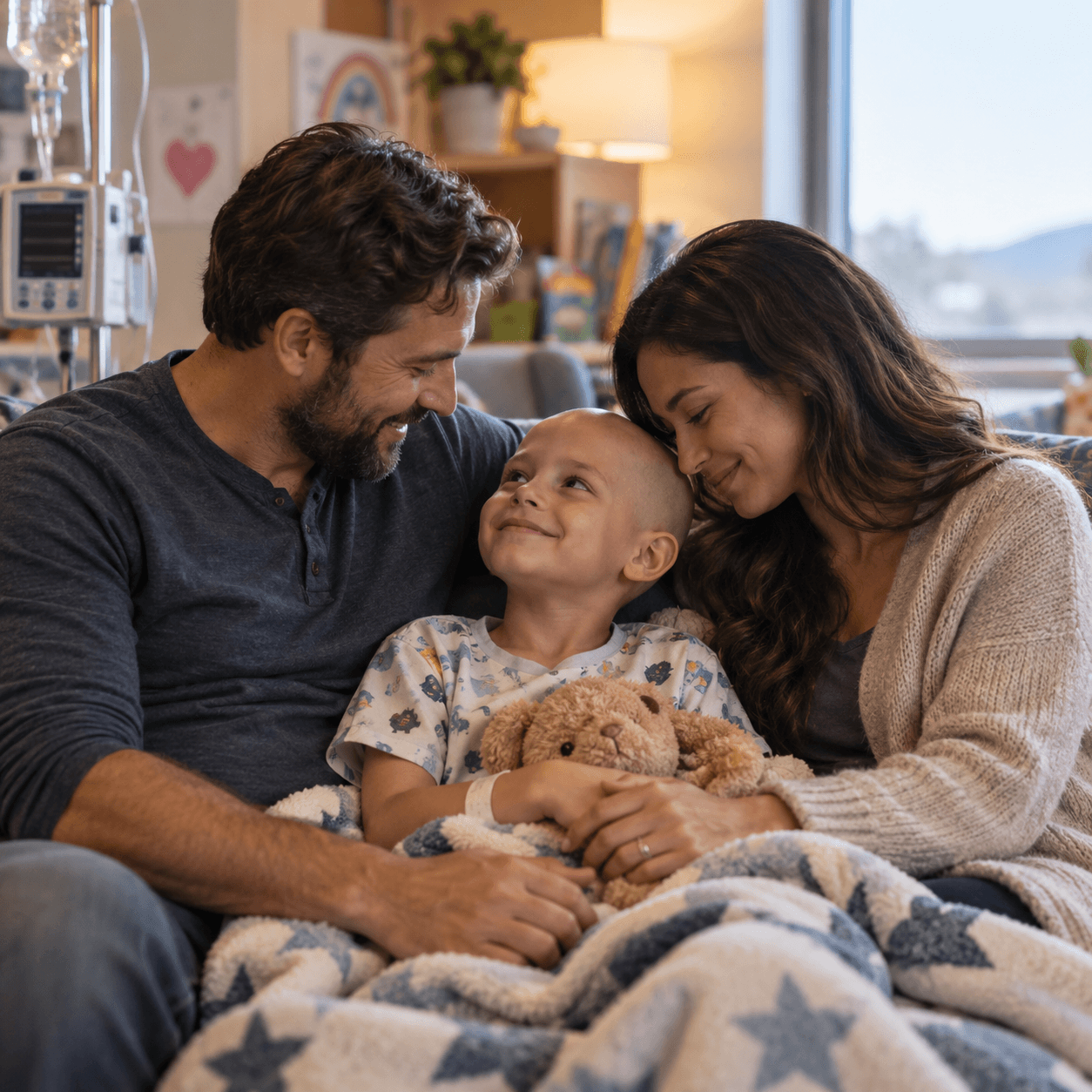
Parents often want to protect children by telling them as little as possible. But children frequently notice changes. They see appointments, hear conversations and recognize when adults are worried. When information is missing, they may imagine something worse.
Age-appropriate honesty can reduce confusion. Children usually need to understand what is happening in language they can follow, that cancer is not their fault, which routines may change and who will care for them. They also need to know that they may ask questions and that trusted adults will share important changes with them. A social worker, psychologist or counselor can help parents prepare for these conversations.
Caregiver Stress Deserves Attention
Caregivers often say, “The patient is the one who is sick. I should not complain.” Yet caregiving can involve enormous pressure. A caregiver may be working, caring for children, arranging appointments, providing transportation, managing medication, preparing meals, handling finances, communicating with relatives and trying to remain emotionally strong—all at the same time.
Over time, this pressure can contribute to exhaustion, irritability, anxiety, depression, sleep problems and physical illness. Asking for help is not a failure. Supporting the caregiver strengthens the entire care environment.
Emotional Adjustment After Treatment
Finishing treatment is often celebrated, but survivorship can be emotionally complicated. People may hear, “Now everything can go back to normal,” even though they may still be living with fatigue, scars, pain, cognitive changes, fertility concerns, financial consequences, sexual changes or fear of recurrence.
The previous “normal” may no longer fit. Psychological support can help survivors understand what has changed and gradually adapt to a new reality.
Fear of Recurrence
For many survivors, fear that cancer may return never disappears completely. The fear may become stronger around follow-up appointments, scans, new symptoms or anniversaries connected with the diagnosis.
Professional support may be particularly helpful when fear dominates most days, prevents future planning, causes constant checking of the body or excessive searching online, leads someone to avoid medical appointments, repeatedly disrupts sleep, causes panic or significantly interferes with work and relationships.
The aim is not necessarily to eliminate every fearful thought. It is to prevent fear from controlling everyday life.
Spiritual and Faith-Based Support
For many families in Curaçao, spirituality and faith are important sources of resilience. Churches, pastors, spiritual counselors, prayer groups and faith communities may offer companionship, prayer, practical help, meaning and comfort.
Spiritual support can work alongside professional medical and psychological care. It should not be used to pressure anyone to discontinue medically necessary treatment.
Peer Support
Talking with another cancer survivor or caregiver can reduce isolation. Peer support provides something different from professional therapy: recognition through shared experience.
However, another person’s cancer story should not be treated as a medical recommendation. Two people with the same broad diagnosis may have different cancer stages, tumor biology, medical histories, treatment plans and outcomes. Peer support should be used for connection—not for individualized medical decision-making.
When Emotional Distress Becomes Urgent
Seek immediate professional help if someone is at risk of harming themselves or another person, cannot remain safe, is severely confused or is experiencing an acute psychiatric emergency. Do not rely only on a website, social-media group or future appointment during an emergency.
In Curaçao, call 911 for the general emergency service or 912 for an ambulance. If it is safe to do so, remain with the person until help arrives.
How to Choose a Therapist or Counselor
Before arranging care, consider asking:
- Are you professionally licensed or registered?
- Do you have experience with cancer, serious illness, trauma or grief?
- Which languages do you work in?
- Is a referral required?
- Is treatment covered by insurance, and what are the fees?
- Do you provide individual, couples or family therapy?
- Are online sessions available?
The therapeutic relationship matters. It is acceptable to decide that a particular professional is not the right fit and to look for someone else.
Where to Begin
For cancer-specific psychosocial guidance, Prinses Wilhelmina Fonds can be a strong first point of contact. For broader mental-health care, PSI Skuchami and private psychology services such as Psyworks may also be explored. An oncologist, general practitioner, social worker or another healthcare professional may be able to provide further referrals.
You do not need to wait until you are completely overwhelmed before asking for emotional support. Mental well-being is part of the cancer journey too.
This section provides general information and is not a substitute for individual medical or mental-health advice. Service details can change; confirm current information directly with the relevant organization.
Sources Consulted
- Prinses Wilhelmina Fonds: Psychosocial Support
- PSI Skuchami
- Psyworks N.V.: Contact
- National Cancer Institute: Emotions and Cancer
- National Cancer Institute: Life After Cancer Treatment
- National Cancer Institute: Support for Caregivers
- National Cancer Institute: Talking to Children About Cancer
- Netherlands Worldwide: Curaçao Emergency Information


0 Comments