Life after cancer treatment often comes with new questions.
- What should I eat now?
- Should I completely change my diet?
- Are there foods I should never eat again?
- Do I have to eat perfectly to stay healthy?
These concerns are understandable. After going through cancer treatment, many survivors want to take meaningful steps toward protecting their health. But long-term nutritional wellness does not usually come from extreme diets or complicated rules. It comes from sustainable habits.
Think About Your Overall Eating Pattern
Nutrition is rarely about one individual food. Eating broccoli once will not transform your health, and enjoying dessert occasionally does not undo every healthy choice you make. What matters more is the pattern you build over time. A balanced eating pattern generally includes plenty of:
- Vegetables
- Fruits
- Whole grains
- Beans and lentils
- Nuts and seeds
- Appropriate sources of protein
- Healthy fats
These foods provide a broad range of nutrients and can form the foundation of everyday meals.
Make Plant Foods a Regular Part of Your Meals
You do not have to become vegetarian to eat more plant foods. Start by increasing the amount and variety of vegetables, fruits, legumes, and whole grains you eat. For example:
- Breakfast might include oatmeal with fruit and seeds.
- Lunch could include a salad with chickpeas, vegetables, and whole-grain bread.
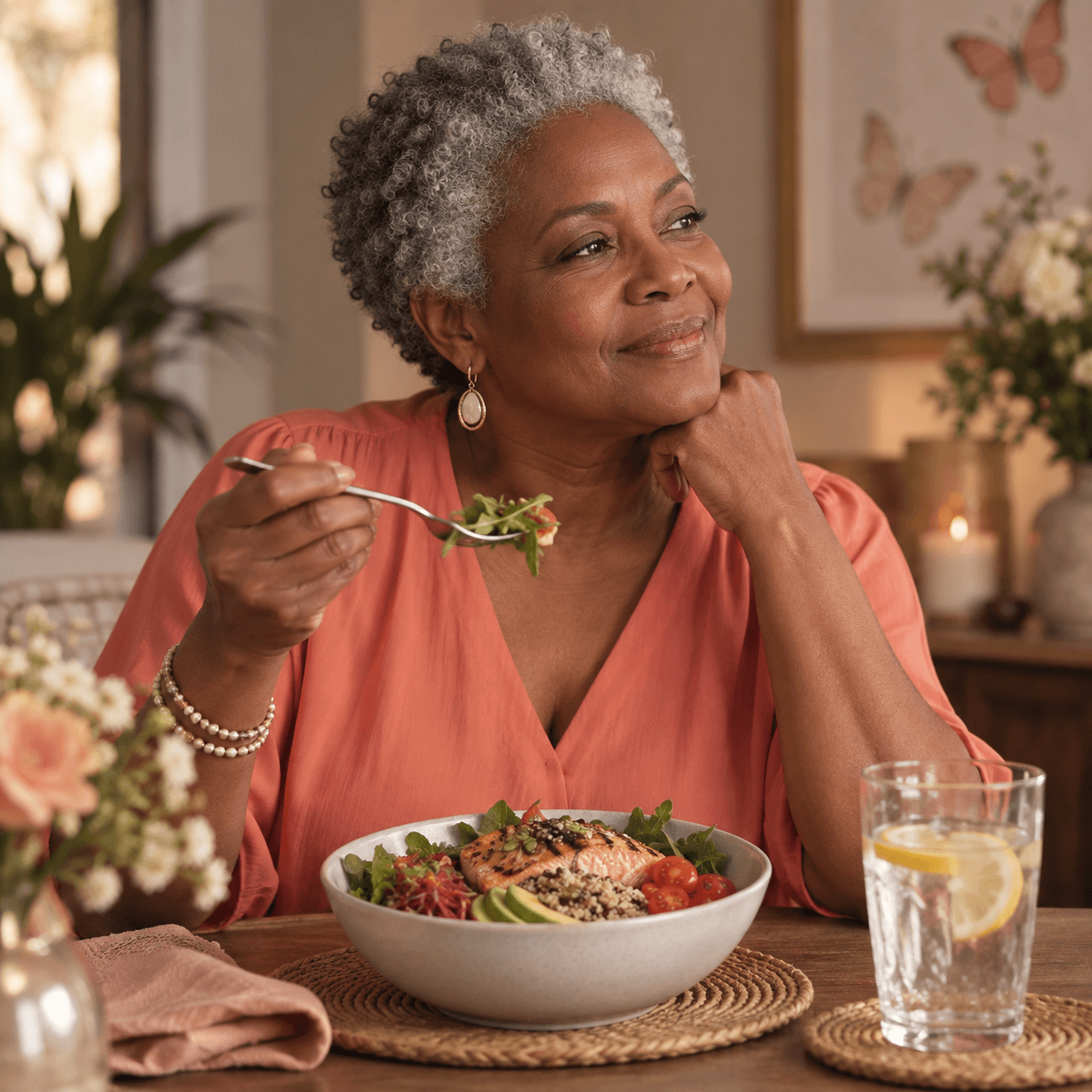
- Dinner might include fish with roasted vegetables and brown rice.
Small changes repeated consistently are often more realistic than completely redesigning your diet overnight.
Choose Whole Grains More Often
Whole grains contain more fiber and nutrients than many highly refined grain products. Examples include:
- Oats
- Brown rice
- Quinoa
- Whole-wheat bread
- Barley
- Whole-grain pasta
Fiber supports digestive health, although people with certain medical conditions or treatment-related digestive problems may need individualized recommendations. If increasing fiber, doing so gradually may be more comfortable.
Include Enough Protein
Protein remains important beyond the immediate recovery period because it supports muscle maintenance and normal body functions. Good protein sources include:
- Fish
- Poultry
- Eggs
- Beans
- Lentils
- Tofu
- Yogurt
- Nuts
- Seeds
Your individual protein needs may vary depending on your age, activity level, weight, health conditions, and treatment history.
Reduce Reliance on Highly Processed Foods
There is no need to classify foods as completely “good” or “bad.” However, if most of your meals come from highly processed foods that contain large amounts of added sugar, salt, or saturated fat, there may be room to improve the balance. Try making nutritious foods the foundation of your diet while leaving space for foods you enjoy. This approach can be much easier to maintain than strict restriction.
Plan Ahead When Possible
Healthy eating becomes more difficult when every meal decision is made while you are tired, hungry, or busy. Basic planning can help. You might choose several meals for the week, keep staple foods in your kitchen, wash vegetables in advance, or prepare larger batches that can be refrigerated or frozen. Useful staples might include:
- Frozen vegetables
- Canned beans
- Eggs
- Whole grains
- Yogurt
- Fruit
- Nuts
- Tuna or other canned fish
- Soup ingredients
Planning does not have to be complicated to be effective.
Hydration Is Part of Nutrition Too
Water supports many essential body functions. Make hydration part of your routine rather than waiting until you feel extremely thirsty. Keep water nearby throughout the day and drink regularly. If plain water becomes boring, adding fresh fruit, cucumber, mint, or citrus can provide variety. People with kidney, heart, or other medical conditions may need individualized fluid guidance.
Be Mindful of Alcohol
Cancer survivors often have questions about alcohol. Recommendations may differ depending on cancer type, medications, treatment history, and individual health circumstances. Alcohol has been linked with increased risk for several types of cancer, so some survivors may choose to avoid it completely. If you drink alcohol, discussing what is appropriate for you with your healthcare provider is advisable.
Avoid the Pressure to Be Perfect
Wellness can easily turn into another source of anxiety. You may feel that every meal must be healthy because you have experienced cancer. But sustainable nutrition allows flexibility. Celebrations, cultural foods, family recipes, desserts, restaurant meals, and comfort foods can still have a place in life. Health is built through repeated patterns, not one meal.
Combine Nutrition With Other Healthy Habits
Nutrition works best as part of a broader approach to wellbeing. Other important areas can include:
- Regular physical activity when medically appropriate
- Maintaining muscle and strength
- Getting adequate sleep
- Managing stress
- Attending medical follow-up appointments
- Avoiding tobacco
- Supporting emotional health
- Staying socially connected
Long-term wellness is multidimensional.
Focus on What You Can Continue
Instead of asking, “What is the healthiest diet possible?” ask:
What healthy habits can I realistically maintain for years?
- Maybe it means adding one vegetable to lunch.
- Maybe it means cooking at home more often.
- Maybe it means eating breakfast regularly or drinking more water.
Small actions can accumulate into meaningful change. Nutrition after cancer does not have to be driven by fear. It can become a way of caring for yourself, supporting your body, enjoying food, and creating routines that contribute to a healthier future.
0 Comments